1. Walk the grounds
For outdoor spaces, the crew walks fence lines, planters, corners and bushes where needles collect.
Villa Park, IL · DuPage County
Clearing out a relative's home or a storage unit in Villa Park and found syringes? Call (877) 812-4220. A cleanup team can search every drawer, remove the sharps and disinfect the area.
If anyone is in danger, call 911 first. For a suicide crisis, call or text 988.
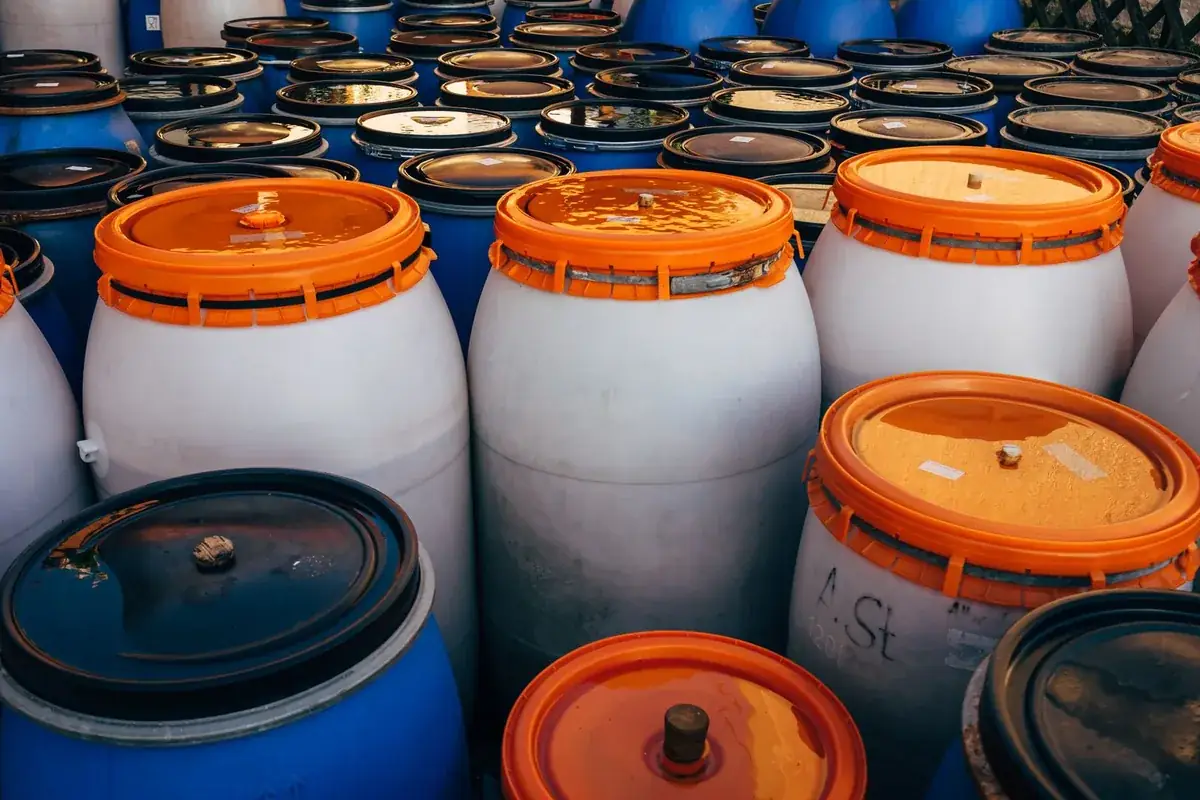
A sharps sweep is a careful search of a home, yard, vehicle or building for discarded needles, followed by removal and disposal. One needle often means others are nearby, so the whole area is checked.
Need careful syringe removal in Villa Park or nearby communities in DuPage County? Call Villa Park Biohazard Cleanup Help. Cleanup technicians follow the OSHA Bloodborne Pathogens Standard, 29 CFR 1910.1030, when sharps are involved, so you do not have to touch them.
The vacancy rate in DuPage County is only about 4%, so most needle calls come from occupied homes, rentals, yards and businesses. A stick, cut or splash should be checked by a doctor without delay. Elmhurst Memorial Hospital in Elmhurst serves people in and around Villa Park.
The work often covers:
For outdoor spaces, the crew walks fence lines, planters, corners and bushes where needles collect.
Crews check under rugs, inside vents, in pockets of clothes and in other spots where syringes are tucked away.
Containers are sealed, loaded and taken away. They leave the property as one load.
The crew removes the containers, double-checks the space and answers questions before leaving.
The cost of needle & sharps cleanup in Villa Park, IL depends on the amount of material, how it is packed and how it is hauled.
Hidden spots slow the work. Cluttered rooms, dense brush and storage areas take longer to search than clear, open ground.
| Type of job | Typical range |
|---|
Estimates only, not a quote. Sources: . Price drivers include number of items, where they are found, whether a sweep of a large area is needed, waste disposal. Call (877) 812-4220 to talk through the job.
A used needle can carry bloodborne pathogens such as hepatitis B, hepatitis C and HIV. The chance of infection from one stick depends on many things, and a doctor can explain what applies. Get medical care promptly after any stick or cut.
Yes. A property owner can call a cleanup team to search a unit or building. Lease terms and local law decide who pays, and a landlord, an attorney or a tenant rights group can say. Ask the team for a record of what was found and removed.
In many cases the person who calls does not need to be at the property. Ask the team how access and keys can be arranged. Many teams can also arrive in an unmarked vehicle, so ask about that if privacy matters to you.
Loose needles should not go in household trash, because they can stab sanitation workers. Rules for small amounts of household sharps vary by city and county. The local health department can say what is allowed, and a cleanup team can take larger amounts.
A local biohazard cleanup team can search the area and remove needles and other sharps. Some cities and health departments also help with found needles on public land. For a single needle outdoors, the health department is a good first call, and for anything bigger, a cleanup team.
No. Recapping or bending a used needle is one of the most common ways people get stuck. Leave it where it is and let a cleanup team lift it with a tool and place it in a container.
One call can start a sweep for a yard, a rental or a whole building.
Call (877) 812-4220